What Does Matcha Taste Like – Umami, Bitterness and Flavor Guide
Matcha presents a complex sensory experience that defies simple categorization. This vibrant green powder delivers a multifaceted flavor profile combining bitter, umami, sweet, grassy, and vegetal notes, with the specific balance depending heavily on cultivation methods and processing quality.
High-quality matcha offers rich umami and subtle sweetness that balance astringency and earthiness, while low-quality versions often taste overly bitter or harshly grassy. These distinctive traits stem from shaded green tea leaves cultivated to maximize amino acids like L-theanine alongside catechins that drive bitterness.
Understanding what determines matcha’s taste requires examining its chemical composition, production grades, and preparation methods.
What Does Matcha Taste Like?
The flavor complexity stems from four primary components working in concert. Umami provides savory, creamy depth reminiscent of broth or seaweed, enhanced by shading processes that increase L-theanine and amino acids. Sweetness appears as a lingering natural aftertaste that offsets bitterness, particularly prominent in regional varieties like Superior Mie Matcha. Astringency and bitterness contribute dry, puckering sharpness or earthy bites that remain refined in premium preparations but turn harsh in poor ones. Finally, aromatic compounds deliver grassy and vegetal characteristics resembling spinach or steamed greens, alongside floral, buttery, or nutty notes derived from steaming and grinding whole leaves.
- Premium matcha transitions smoothly from mild initial bitterness to rich umami and sweet aftertaste.
- Stone-ground powder retains volatile compounds responsible for fresh grassy aromatics.
- Quality creates dramatic variation between vibrant, bright green premium grades and dull, brownish inferior products.
- Water temperature above 80°C extracts excessive bitter catechins, destroying delicate amino acid structures.
- First-harvest spring leaves contain higher amino acid concentrations than subsequent harvests, directly impacting sweetness.
- Proper preparation creates a frothy texture that integrates flavors evenly across the palate.
| Aspect | Details |
|---|---|
| Origin | Japanese shaded green tea (Camellia sinensis), stone-ground into micro-powder |
| Key Compounds | L-theanine (umami/sweetness), catechins (bitterness/astringency), chlorophyll |
| Primary Grades | Ceremonial (first-harvest, refined) vs. Culinary (later harvest, robust) |
| Optimal Temperature | 70-80°C (158-176°F) for balanced extraction without harshness |
| Color Indicator | Bright emerald green signals high amino acid content; yellow-brown indicates degradation |
| Aromatic Profile | Fresh vegetal, floral, buttery, or nutty depending on cultivar and processing |
| Storage Requirements | Airtight opaque containers away from light, heat, and moisture |
| Shelf Stability | Peak flavor within 1-2 months of opening; oxidation rapidly degrades taste |
Is Matcha Bitter and Why?
Matcha naturally carries bitter characteristics, though intensity varies dramatically based on chemical composition and preparation. The primary source of bitterness lies in catechins, potent antioxidants present in camellia sinensis leaves. According to Artful Tea, these compounds create dry, puckering sharpness that ranges from refined earthy notes to aggressive harshness depending on concentration and processing.
The Chemistry of Shading
Japanese tea farmers shade plants for 20 to 30 days before harvest, triggering increased production of chlorophyll and amino acids. This artificial shading boosts L-theanine levels, which creates the signature savory umami flavor while moderating the harshness of catechins. Naoki Matcha explains that unshaded or improperly processed leaves yield significantly more aggressive bitterness and reduced complexity.
Harvest Timing and Leaf Age
First-harvest leaves picked in early spring contain the highest concentrations of amino acids and the lowest catechin levels relative to later harvests. As growing seasons progress, increased sunlight exposure raises catechin content, amplifying bitter and astringent qualities. This seasonal variation explains why ceremonial grades harvested in spring taste markedly different from culinary grades using summer or autumn leaves.
Water heated above 80°C (176°F) extracts catechins aggressively, creating overwhelming bitterness that masks umami compounds. cooler water within the 70-80°C range preserves the amino acid structure responsible for savory depth and natural sweetness.
What Does Good Quality Matcha Taste Like?
Distinguishing high-quality matcha from inferior products requires attention to taste progression, aroma, and visual cues. Superior matcha exhibits balanced notes without dominating bitterness, accompanied by vibrant green color and fresh aromatic intensity.
Ceremonial Grade Characteristics
Ceremonial grade matcha, sourced from first-harvest leaves in regions like Kyoto or Mie according to Thea Matcha, delivers rich umami with light astringency and floral or buttery aromatics. The flavor transitions smoothly from mild initial bitterness to deep savory notes and a lingering sweetness ideal for traditional preparation as usucha (thin tea) or koicha (thick tea).
Culinary Grade Applications
Culinary grade presents an earthier, more bitter and vegetal profile suited specifically for lattes, baking, or cooking where milk and sweeteners mask intensity. This grade typically utilizes later harvests with higher catechin content, making it unsuitable for straight consumption but excellent for mixed preparations.
Visual and Olfactory Indicators
Quality manifests visually as bright green powder with a fresh vegetal aroma resembling fresh cut grass or steamed spinach. Dull brownish-green hues or stale, fishy smells indicate degraded, oxidized, or low-grade product. Naoki Matcha notes that cheap versions often present as “bitter grass” or carry “fishy” off-notes absent in fresh products.
How Does Matcha Taste Compare to Green Tea and Coffee?
Matcha occupies a unique position among beverages, differing substantially from steeped green tea, coffee, and milk-based preparations through its chemical composition and consumption method.
Versus Steeped Green Tea
Matcha delivers more concentrated vegetal and umami flavors than steeped green tea because consumers ingest the entire powdered leaf rather than just a water infusion. As detailed in resources from Artful Tea, traditional steeped varieties present lighter, less grassy profiles due to the extraction limitations of water passing through leaves.
In Milk-Based Preparations
Milk’s fat content chemically softens catechin bitterness while emphasizing matcha’s inherent creaminess. Robust ceremonial grades maintain their character better in lattes than delicate varieties, though culinary grades specifically suit this preparation method where masking intensity proves desirable.
Whole milk or higher-fat plant alternatives most effectively envelop bitter compounds while preserving umami backbone. Skim milk or water-based preparations allow astringent notes to dominate the palate.
Compared to Coffee
Unlike coffee’s roasted acidity and pronounced bitterness, matcha offers savory calm through umami compounds. Both beverages contain caffeine and catechins, but matcha’s L-theanine promotes focused relaxation rather than coffee’s sharp stimulation, creating a distinctly different physiological and gustatory experience.
How Can You Make Matcha Taste Better?
Optimizing matcha’s flavor requires controlling preparation variables including temperature, equipment, and storage conditions to minimize harsh notes and highlight delicate compounds.
Whisking Technique
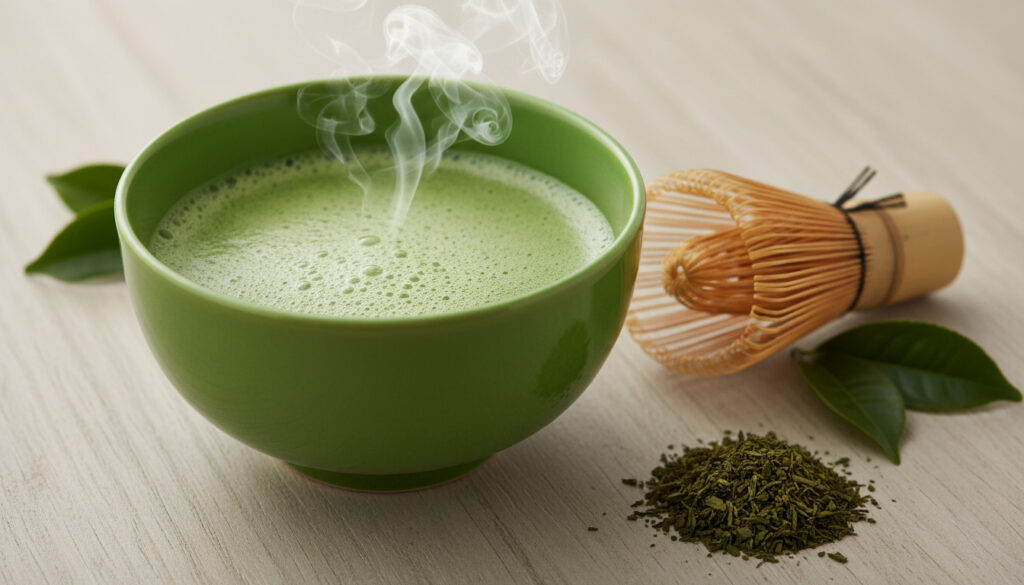
Using a chasen (bamboo whisk) in a chawan bowl creates microfoam that integrates flavors smoothly and creates desirable texture. Visual demonstrations indicate that proper whisking motion distributes amino acids evenly, preventing clumping that creates uneven bitterness.
Sifting and Measurement
Sifting powder before whisking eliminates lumps that create concentrated pockets of bitterness. A ratio of 1-2 grams per 60-80 milliliters of water provides optimal flavor intensity without overwhelming the palate, according to preparation guides from Thea Matcha.
Temperature Control
Maintaining water between 70-80°C prevents the aggressive catechin extraction that occurs with boiling water. Research from Ujicha Matcha indicates this range specifically highlights sweetness and umami while keeping bitterness refined rather than harsh. For more on the nutritional benefits of blackberries, explore $mora propiedades nutricionales.
Storing matcha in airtight, opaque tins away from light and moisture prevents oxidation that rapidly degrades amino acids into grassy or fishy off-flavors. Use within 1-2 months of opening for peak taste.
What Determines Taste Consistency?
Established Factors
- Shading duration before harvest directly correlates with L-theanine concentration and umami intensity.
- First-harvest leaves contain measurably higher amino acids than second or third harvests.
- Stone grinding preserves volatile aromatic compounds destroyed by industrial heat processing.
- Catechins create specific bitter/astringent responses binding to human taste receptors.
Uncertain Variables
- Individual genetic sensitivity to bitter compounds varies significantly between tasters based on TAS2R receptor variations.
- Specific USDA import standards affecting flavor consistency remain unspecified in publicly available documentation.
- Precise oxidation rates vary by specific cultivar and storage microenvironments beyond general guidelines.
Scientific and Cultural Context
The distinctive taste of matcha emerges from specific agricultural interventions and chemical preservation. Shading tea plants triggers increased production of chlorophyll and amino acids, particularly L-theanine, which creates the savory umami character often described as “deep broth” in taste test analyses. Simultaneously, catechin polyphenols provide antioxidant properties alongside structural bitterness.
Stone grinding whole leaves rather than chopping or blending preserves cell walls containing volatile aromatic compounds. This traditional method retains grassy, vegetal notes resembling spinach or steamed greens that industrial processing often eliminates. For those exploring these nuanced differences, What Does Matcha Actually Taste Like offers detailed regional comparisons between Kyoto and Mie varieties.
The consumption of entire leaf material rather than infused water explains matcha’s concentrated flavor profile compared to other tea forms. This method also delivers higher concentrations of L-theanine and catechins, creating the simultaneous relaxation and alertness associated with traditional Japanese tea ceremony.
User Experiences and Expert Observations
“Smooth umami to sweet aftertaste”
User reviews cited by Naoki Matcha
“Bitter grass” and “fishy” characterizations
Common criticism of oxidized or low-quality matcha varieties
“Deep broth” sensation defining premium umami
YouTube taste test breakdowns analyzing flavor compounds
Summary
Premium matcha offers a complex interplay of bitter catechins and savory amino acids, creating a vegetal, umami-rich experience distinct from steeped teas or coffee. Quality grades, preparation temperature, and freshness determine whether the flavor presents as refined and creamy or harsh and grassy. For newcomers beginning their exploration, understanding What Does Matcha Taste Like provides essential context for selecting appropriate grades and preparation methods.
Frequently Asked Questions
Is matcha naturally sweet?
Matcha contains natural sweetness from L-theanine and amino acids, but it presents subtly as a lingering aftertaste rather than immediate sugary flavor. High-quality ceremonial grades display more pronounced sweetness than culinary varieties.
Why does my matcha taste fishy?
Fishy or stale odors indicate degraded matcha suffering from oxidation or improper storage. Fresh, high-quality matcha should emit vegetal or grassy aromas. Exposure to light, heat, or moisture accelerates this degradation.
Does matcha taste better hot or iced?
Heat emphasizes umami and bitterness, while iced preparations often mute harsh notes and highlight sweetness. Ceremonial grades typically suit hot preparation, while culinary grades work well iced or in lattes.
Why does cheap matcha taste like grass?
Low-quality matcha often uses older leaves or lacks proper shading, resulting in dominant catechins that create harsh, vegetal bitterness rather than balanced umami. Poor processing and oxidation exacerbate this grassy character.
Can you remove matcha bitterness completely?
Bitterness cannot be entirely eliminated as it forms an integral flavor component, but proper preparation using 70-80°C water, high-grade powder, and milk additives can significantly reduce astringency to palatable levels.
What does ceremonial grade taste like compared to culinary?
Ceremonial grade offers rich umami, light astringency, and floral notes ideal for straight consumption, while culinary grade presents earthier, more bitter flavors specifically intended for cooking or milk-based drinks.
More related posts
 Crimdon Dene Holiday Park – Location Reviews Facilities Guide
 Criminal Minds Season 18 – Release Date Cast Episodes Guide
 Estee Lauder Gift Set – Best 2024 Picks and Deals
 Can Dogs Eat Popcorn – Full Safety Guide for Dog Owners
 Protein Powder for Weight Loss – Best UK Picks and Reviews
 Now TV Free Trial 30 Days – Facts, Offers and Cancellation Guide
 A1 Tech Deals Reviews – Is It Legit or a Risk for UK Buyers