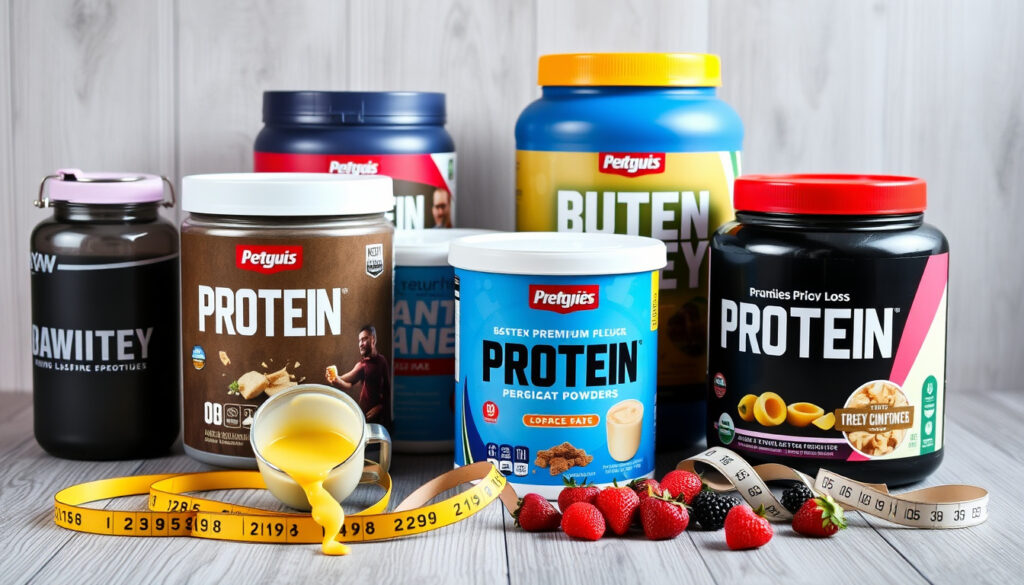
Protein Powder for Weight Loss – Best UK Picks and Reviews
Protein powders have become a staple for anyone looking to shed body fat while preserving lean muscle. Across the UK, an expanding range of whey isolates, diet formulas, and plant-based blends promises to support fat loss without the heavy calorie load of whole meals. Understanding which products actually deliver—backed by independent reviews and nutritional data—can save time, money, and frustration.
This guide cuts through the marketing noise to focus on what matters: protein content per serving, calorie count, flavour quality, and how each option fits into a structured fat-loss plan. Whether shopping on MyProtein, browsing Amazon, or picking up a tub from Holland & Barrett, the recommendations here draw from recent UK testing to help make an informed choice.
Best Protein Powder for Weight Loss UK
BBC Good Food’s 2026 testing placed MyProtein Impact Whey Protein (chocolate brownie, £13.49 for 500g) at the top of its overall rankings for weight loss shakes in the UK. The brand’s dominance reflects years of consistent quality and affordability, though it faces stiff competition from specialist diet formulas designed specifically for cutting phases.
4-Column Product Overview
| Type | Calories per Serving | Protein per Serving | Best For |
|---|---|---|---|
| Whey Isolate | Under 100kcal | 20–25g | Cutting, lean muscle preservation |
| Diet Whey | 90–120kcal | 18–22g | Fat loss with appetite support |
| Meal Replacement Blend | 150–200kcal | 20–25g | Replacing one daily meal |
| Plant-Based | 80–110kcal | 15–20g | Vegan diets, female fat loss goals |
Key Insights from UK Reviews
- Whey isolates consistently deliver the highest protein-to-calorie ratio, making them ideal for fat loss phases where every calorie counts.
- Diet whey formulas add fibre or appetite-curbing ingredients, offering a middle ground between standard whey and meal replacements.
- Clear whey options—like those from MyProtein and Bulk—mimic juice in texture, encouraging daily compliance without flavour fatigue.
- Plant-based blends have improved dramatically, with Free Soul Vegan Protein Blend scoring well among female users for both taste and macro balance.
- Independent testing prioritises solubility and taste alongside macros, meaning a powder that mixes poorly rarely tops the rankings.
- Price per serving matters more than tub price alone; larger bags from MyProtein or Amazon often work out significantly cheaper.
- UK retailers including Holland & Barrett stock dedicated diet protein sections, offering in-store guidance for first-time buyers.
Snapshot Facts
| Fact | Detail |
|---|---|
| Optimal protein intake for fat loss | 1.6–2.2g per kg bodyweight daily, according to nutrition guidelines |
| Low-calorie threshold | Under 100kcal per serving for weight loss formulas |
| UK supplement regulation | Products must comply with Food Standards Agency approval |
| Protein-to-carb ratio | Isolates typically offer 80%+ protein with minimal carbs/fats |
| Satiety mechanism | Higher protein intake triggers thermogenesis and reduces hunger signals |
| Muscle preservation | Critical during calorie deficits to prevent metabolic slowdown |
When comparing prices, calculate the cost per serving rather than the total tub price. MyProtein’s bulk options often drop the per-serving cost below £0.50, making high-quality whey isolate genuinely affordable for extended cutting phases.
How to Use Protein Powder for Weight Loss
A protein shake only works for fat loss if it fits intelligently into a calorie-controlled diet. Taken carelessly, it can add unwanted calories; used strategically, it becomes a powerful tool for hitting protein targets while staying in a deficit.
Mixing Guidelines
Most guides agree on a straightforward baseline: one level scoop (roughly 25–30g of powder) mixed with 200–300ml of water or skimmed milk. Using water keeps calories minimal, while milk adds roughly 80–100kcal and a smoother texture. The choice depends on daily calorie budget and preference.
Daily Timing
Reviews and usage guides point to two optimal windows. The first is post-workout, when muscle protein synthesis is most receptive. The second is as an afternoon snack between meals, curbing hunger before dinner and preventing accidental overeating. Some users replace one full meal—typically breakfast or lunch—with a shake blended with fibre or oats for staying power.
Building a Fat-Loss Protocol
- Calculate daily protein target (1.6–2.2g per kg bodyweight) before shopping for supplements.
- Plan 1–2 shake servings daily, not as add-ons but as direct meal substitutes.
- Track calories for the first two weeks to understand how shakes affect overall intake.
- Rotate between vanilla and chocolate flavours to prevent taste fatigue without adding sugary extras.
- Add ice or frozen fruit to clear whey options for variety without meaningful calorie increase.
- Combine with resistance training—protein alone cannot preserve muscle during prolonged deficits.
- Reassess every 4–6 weeks; adjust serving size or timing as weight and goals shift.
If trying a new protein powder for the first time, start with half a serving to assess digestive tolerance. Whey isolates are generally well-tolerated, but individual responses to flavour additives or thickeners vary. Some users report bloating with dairy-based products and may prefer plant-based alternatives in such cases.
Are Protein Shakes Good for Weight Loss?
The honest answer from nutrition experts is nuanced. Protein shakes are not magic slimming aids, but when used correctly within a calorie deficit, they can meaningfully support fat loss goals. The key lies in understanding what they do and what they cannot replace.
What the Research Indicates
Higher protein intake has been shown to increase satiety—the feeling of fullness between meals—which reduces overall calorie consumption without deliberate restriction. Protein also requires more energy to digest than carbohydrates or fats, a process called the thermic effect of food. This means the body burns slightly more calories processing protein than processing other macronutrients.
During weight loss, preserving muscle mass becomes critical. Muscle tissue burns more calories at rest than fat tissue, so losing muscle alongside fat risks slowing metabolism. Adequate protein intake—roughly double the standard recommendation—helps protect lean tissue during caloric restriction.
Established vs. Uncertain Benefits
| Established Benefit | Still Under Research |
|---|---|
| Supports satiety and reduces overall calorie intake when substituted for higher-calorie meals | Precise impact on long-term body composition beyond calorie control |
| Preserves muscle mass during short-to-medium calorie deficits | Optimal timing (post-workout vs. morning) for muscle preservation |
| Provides convenient way to hit protein targets without cooking | Whether specific protein types (whey vs. casein vs. plant) produce meaningfully different fat-loss results |
Limitations Worth Knowing
Protein shakes do not directly burn fat. They work only when paired with a genuine calorie deficit—eating fewer calories than the body uses. If daily food intake remains unchanged and a shake is simply added on top, weight loss will not occur. No supplement can replace the foundational role of diet and exercise.
Some products marketed as “weight loss” or “diet” proteins contain added stimulants, sugars, or calorie-dense thickeners that undermine the deficit they’re meant to support. Reading nutrition labels carefully—checking serving size, total calories, added sugars, and protein percentage—remains essential before purchase.
While protein powders are widely available and generally safe for healthy adults, they are classified as food supplements in the UK, not medicinal products. Claims about “burning fat” or “detoxifying” should be treated with scepticism. The Food Standards Agency advises consulting a healthcare professional before adding supplements to a weight loss regimen, particularly for individuals with existing medical conditions.
Whey Protein Powder for Weight Loss and Women
Whey protein powder is not just for bodybuilders. For women pursuing fat loss, it offers a practical way to increase daily protein without excess calories or time spent cooking. The science behind protein needs during dieting applies equally to women, though product selection and goals sometimes differ.
Why Protein Matters for Women During Cutting
Women generally require fewer total calories than men, making it easier to accidentally under-eat protein while following a standard calorie-restricted diet. When protein intake falls too low, the body may break down muscle tissue for energy—reducing metabolic rate and making long-term weight management harder. A targeted shake or two each day helps maintain adequate intake without ballooning portion sizes.
Female-Focused Product Considerations
Marie Claire’s 2026 review highlighted Free Soul Vegan Protein Blend (£27.49 for 600g) as the top choice for women seeking a plant-based option. The formula accounts for hormonal differences and includes nutrients sometimes lacking in standard gym-oriented products. That said, whey isolates from brands like MyProtein work equally well for women—they simply lack the gender-specific formulation additions.
Recommended Options for Women
- Free Soul Vegan Protein Blend: Plant-based, chocolate flavour, £27.49 per 600g on Amazon—scored well for taste, texture, and macros suited to female fat-loss goals.
- MyProtein Impact Whey Isolate: 20g protein under 90kcal per serving, widely available, affordable—ideal for women tracking calories strictly.
- Protein Works Vanilla Crème Diet Whey Isolate 90: Low sugar, high protein concentration, pleasant vanilla flavour preferred by many female users in testing.
- Form Nutrition: Eco-friendly branding, around £24.30 on Amazon, marketed with female body composition in mind.
Pairing Shakes with Training
Protein supplementation alone cannot reshape a physique. Reviews consistently note that the best results come from combining shakes with resistance training—whether bodyweight exercises, gym sessions, or home dumbbell work. Muscle gain during a fat-loss phase requires physical stimulus; without it, extra protein simply supports existing tissue rather than building new lean mass.
Evolution of Protein Powders for Fat Loss
The protein supplement market has transformed considerably over the past fifteen years. Understanding how it arrived at today’s low-calorie, high-protein formulas provides useful context for evaluating which products genuinely innovate and which merely repackage older concepts.
- Early 2010s: Whey concentrate dominates, with high calorie content relative to today’s standards. Products are marketed primarily for muscle building, not fat loss. Taste and solubility vary significantly between brands.
- Mid-2010s: Whey isolate becomes more mainstream, offering higher protein percentages with fewer carbohydrates. Diet-specific formulas begin appearing in UK retailers. Holland & Barrett introduces dedicated diet protein sections.
- Late 2010s: Clear whey protein launches, targeting consumers who dislike thick, milkshake-style drinks. These lighter options prove popular for daily compliance during cutting phases.
- 2020–2024: Plant-based proteins improve substantially in taste and amino acid profile. Brands like Free Soul and Form Nutrition gain traction among female consumers. Independent reviews become more rigorous, with BBC Good Food and Men’s Health UK conducting standardised testing.
- 2025–2026: Current period emphasises ultra-low-calorie formulas (under 90kcal per serving), clean ingredient lists, and sustainable packaging. Competition drives brands toward better flavour technology and more transparent labelling.
Does Protein Powder Really Help Weight Loss?
Drawing from multiple sources—including independent reviews, retailer data, and general nutritional evidence—the picture is encouraging but requires qualification. Protein powders contribute meaningfully to weight loss efforts, but only when integrated into a broader calorie-controlled plan.
| What We Know | Where Uncertainty Remains |
|---|---|
| Protein shakes can replace higher-calorie meals, creating the deficit needed for fat loss | Magnitude of direct fat-loss effect beyond calorie control is not fully quantified |
| Higher protein intake supports muscle preservation during caloric restriction | Whether whey, casein, or plant proteins produce meaningfully different body composition outcomes |
| Enhanced satiety from protein may reduce overall food intake naturally | Optimal frequency and timing (pre- vs. post-workout) lacks conclusive evidence |
| Low-calorie isolates (under 100kcal) make calorie tracking straightforward | Long-term sustainability of supplement-based meal replacement strategies |
Protein powders work as tools within a calorie deficit. They are not substitutes for eating well and exercising regularly, but they make hitting protein targets significantly easier—especially for busy individuals who struggle to cook chicken and fish from scratch every day.
Protein Powder in Weight Loss Diets
Adding a protein shake to an existing diet only makes sense if it fills a specific gap. For many people, that gap is convenience—having a nutrient-dense option that takes thirty seconds to prepare beats reaching for a biscuit or skipping a meal entirely.
UK retailers have responded to demand by expanding diet-specific ranges. MyProtein’s dedicated diet protein section includes products formulated with reduced calories and fat compared to standard whey options. Holland & Barrett stocks multiple brands in-store, allowing buyers to compare textures and flavours before committing online.
For women specifically, hormonal fluctuations throughout the menstrual cycle can affect hunger and energy levels. Protein-rich snacks between meals help smooth out these variations, preventing the blood sugar spikes that often trigger overeating. A shake taken mid-morning or mid-afternoon can function as a stable caloric anchor during otherwise unpredictable eating patterns.
Credible Sources and Expert Views
“Protein shakes are helpful as part of a calorie-controlled diet, but they are not a magic way to lose weight. The key is overall energy balance—consuming fewer calories than you burn. Supplements can support protein intake, but they do not replace whole foods or a balanced diet.”
The above encapsulates the consensus across reviewed sources. BBC Good Food’s testing methodology—tasting products blind and measuring solubility—adds practical credibility beyond marketing claims. Men’s Health UK’s rankings, updated regularly, provide comparative data on popular options like MyProtein, Bulk, and Protein Works.
The NHS guidance on healthy weight management remains the foundational reference for anyone in the UK unsure about general principles before adding supplements. For those interested in the broader science of protein metabolism, research published in nutritional science journals offers peer-reviewed insights into optimal intake during caloric restriction.
Summary
Protein powder for weight loss works best when it slots into a well-structured calorie deficit, not as a standalone solution. The strongest UK options—including MyProtein Impact Whey Isolate, Protein Works Diet Whey Isolate 90, and Free Soul Vegan Protein Blend—consistently deliver 20g+ protein per serving at under 100 calories. Mixing one to two servings daily as meal replacements or post-workout fuel helps hit protein targets without excess calories, while preserving muscle during cutting phases.
For women, plant-based options like Free Soul offer female-focused formulations, though whey isolates remain equally effective for those without dairy sensitivities. Shopping from reputable retailers like MyProtein directly, Amazon, or Holland & Barrett ensures access to independent reviews, bulk discounts, and reliable stock.
Combining protein supplementation with resistance training and balanced whole-food meals delivers the most sustainable results. Supplements support the process; they do not replace the fundamentals. For more on related topics, explore the Benefits of Vitamin D and What Does Matcha Taste Like guides.
Frequently Asked Questions
Can I buy protein powder for weight loss on Amazon in the UK?
Yes. Amazon stocks a wide range of weight loss protein powders including MyProtein Impact Whey, Free Soul Vegan Protein, PhD Nutrition Diet Whey, and Optimum Nutrition Gold Standard Whey. Bulk purchasing is common, with Subscribe & Save options available for regular buyers.
What is the best protein powder for weight loss available in the UK?
BBC Good Food’s 2026 review ranked MyProtein Impact Whey Protein (chocolate brownie, £13.49 for 500g) as the best overall option. Protein Works Vanilla Crème Diet Whey Isolate 90 was named the top low-calorie choice. Free Soul Vegan Protein Blend ranked highest for women.
How many protein shakes should I drink daily for weight loss?
Most guides recommend 1–2 servings daily, used as meal replacements or post-workout fuel rather than added on top of normal meals. This typically means 25–30g of powder per serving mixed with water or milk.
Are protein shakes good for you if you are trying to lose weight?
Protein shakes can support weight loss by increasing satiety, preserving muscle mass during calorie restriction, and making it easier to hit protein targets without cooking. However, they work only within a calorie deficit and should complement—not replace—a balanced diet and exercise routine.
What protein powder is best for women?
Free Soul Vegan Protein Blend (£27.49 for 600g) received specific recommendations for women in 2026 reviews, featuring a plant-based formula tailored for female fat loss and muscle preservation goals. Whey isolates like MyProtein Impact Whey Isolate are also suitable for women.
How much protein do I need daily for fat loss?
Nutrition guidelines suggest 1.6–2.2g of protein per kilogram of bodyweight daily for effective fat loss with muscle preservation. For a 70kg adult, this translates to roughly 112–154g of protein distributed across meals and supplements.
Is clear whey better than standard whey for weight loss?
Clear whey offers similar protein content to standard whey but with a lighter, juice-like texture that some users find easier to consume daily. Both options support fat loss effectively when calorie intake is controlled. Personal preference for taste and texture often determines which is more sustainable long-term.
More related posts
 Where Are Your Kidneys Located – Anatomy, Pain and Gender Differences
 Rutger Hauer – Biography, Cause of Death, Movies and Legacy
 Weather in Manchester Tomorrow – Forecast & Hourly Breakdown
 Miquita Oliver – Bio, Career, and the Tsunami Survival Story
 IKEA Sofa Bed – Best 2025 Reviews, Storage and UK Prices
 Cast of Call the Midwife – Complete Guide All Seasons
 Tic Tac Toe – Play Free Online With Complete Strategy Guide
 James Nesbitt – Biography, Age, Net Worth and Full Filmography