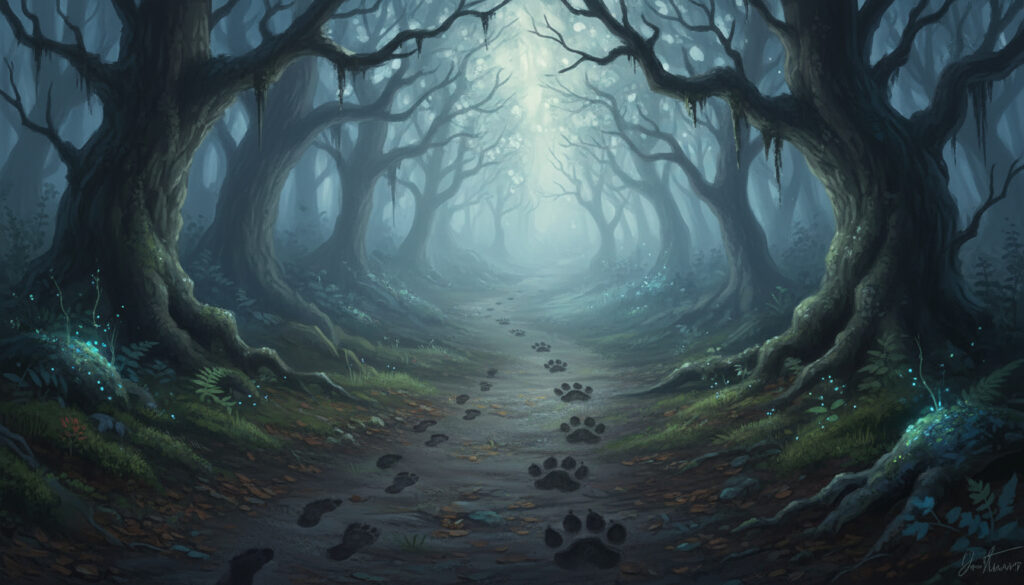
What Is a Therian – Complete Guide to Therianthropy
Therianthropy describes a contemporary identity where individuals experience a profound, integral connection to a specific non-human animal. Known as therians or therianthropes, these individuals recognize their physical humanity while identifying spiritually or psychologically with creatures ranging from wolves and tigers to extinct or mythical beings.
The concept extends beyond mythological shapeshifting found in folklore. Unlike the werewolves of legend or Egyptian deities depicted with animal heads, modern therianthropy represents an internal experience rather than physical transformation. This distinction separates historical accounts of metamorphosis from the lived reality of those who identify as therians today.
Understanding this identity requires examining its definitions, characteristics, and the communities that have formed around it since the early days of internet culture. The phenomenon encompasses diverse explanations, from neurological wiring to spiritual beliefs, while maintaining a consistent core of animal-human integration.
What Is a Therian?
Deep identification as a non-human animal while maintaining human physical form
Phantom shifts, mental shifts, and animalistic instincts integrated into daily life
Online forums including Therian Guide and Reddit communities
Costume-based roleplay or performance
- Therians identify with a specific animal known as a theriotype or kintype, which can include earthly or mythical creatures
- The experience is internal and involuntary, not chosen or performed for external audiences
- Explanations span psychological frameworks—such as imprinting or neurological wiring—to spiritual concepts like reincarnation
- The term derives from Greek thēríon (beast) and anthrōpos (human), literally meaning “beast-human”
- Modern therian communities emerged from 1990s Usenet groups dedicated to werewolf mythology
- The Greek letter theta (θ) serves as a common emblem, representing cycles or animal energy
- Unlike delusional disorders, therians maintain full awareness of their human physicality
| Aspect | Details |
|---|---|
| Term Origin | Greek thēríon + anthrōpos; literal “beast-human” |
| Modern Usage | Emerged in 1990s online communities |
| Core Identity | Theriotype or kintype (specific animal identification) |
| Primary Experience | Mental shifts, phantom shifts, emotional shifts |
| Community Symbol | Theta (θ) |
| Key Distinction | Involuntary identity versus voluntary roleplay |
| Explanations | Psychological, spiritual, or neurobiological |
| Physical Form | Therians acknowledge human biology; physical shifts remain controversial and unverified |
How Do You Know If You Are a Therian?
Recognition of therian identity often begins with persistent, unexplained sensations that diverge from typical human experience. Individuals report vivid animal instincts, recurring dreams of specific species, or profound emotional responses to natural environments associated with their theriotype. These experiences differ from casual appreciation of animals, manifesting as an integral aspect of self rather than external interest.
The process of realizing this identity, commonly called awakening, unfolds through self-discovery rather than external diagnosis. Many describe sudden clarity during adolescence, though recognition can occur at any age. Online resources, including explanatory videos on platforms like YouTube, have helped younger individuals contextualize experiences that previously lacked vocabulary or community validation.
Documenting specific sensations—such as phantom limb experiences or species-specific instincts—over time often helps distinguish therian identity from transient interests or spiritual curiosity.
Signs and Shifts
Therians describe several categories of experiences, collectively termed shifts. Mental shifts involve the temporary dominance of an animal mindset during daily activities. Emotional shifts manifest as heightened responses aligned with specific species—such as territorial awareness or pack-oriented bonding. Phantom shifts represent perhaps the most distinctive experience, where individuals sense the presence of non-physical animal body parts, such as tails, claws, or wings, as vividly as biological limbs.
While researching animal behaviors can provide context, understanding What Do Foxes Eat offers insight into the natural instincts that therians might feel connected to. However, connection to an animal does not require encyclopedic knowledge of its biology; the identity stems from internal resonance rather than accumulated facts.
The Awakening Process
Awakening rarely follows a linear path. Some therians report gradual recognition through childhood experiences of species dysphoria, while others identify specific triggering conversations or media that crystallized their understanding. This realization process remains deeply individual, with no standardized test or clinical assessment available to verify the experience.
Therian vs. Otherkin and Furries: Key Differences
Distinguishing therianthropy from related subcultures requires examining the fundamental nature of identification versus participation. While superficial overlaps exist—particularly in online spaces and convention attendance—these communities operate on distinct premises regarding identity formation and expression.
Some therians identify simultaneously as otherkin, particularly those with theriomythic types involving dragons or extinct creatures, though the communities maintain separate historical trajectories.
Therianthropy and Otherkin
Otherkin encompasses individuals identifying as non-human entities broadly, including mythical beings, fictional characters, or extraterrestrial consciousnesses. Therianthropy represents a specific subset focused exclusively on earthly animals. WikiFur documents that therians may fall under the otherkin umbrella if their kintype includes mythical creatures, though many therians exclusively identify with living or extinct biological species.
The otherkin community developed parallel to therian circles, with distinct terminology and historical origins. While both involve non-human identification, otherkin often emphasizes metaphysical or past-life explanations more heavily, whereas therian discourse frequently incorporates psychological and neurological frameworks alongside spiritual beliefs.
Therians and the Furry Fandom
The furry fandom constitutes a creative community centered on anthropomorphic animal art, literature, and costuming. Participation requires no internal identification with animals; furries create characters and personas through voluntary artistic expression. Therians view this as external expression rather than core identity.
Despite these differences, peaceful relations exist between communities. Some therians attend furry conventions or participate in artistic circles, though they maintain that therianthropy involves an involuntary aspect fundamentally distinct from costume-based roleplay. While furries may be perceived as “frivolous” by some traditionalists, the overlap remains primarily social rather than definitional.
Therians do not believe they can physically transform into animals. Reports of physical shifts remain controversial within the community and lack empirical verification.
Is Being Therian a Mental Illness?
Clinical perspectives on therianthropy remain limited and contested. The identity does not appear in diagnostic manuals such as the DSM-5, and no mainstream psychological consensus classifies it as a disorder. Unlike delusional states, therians consistently acknowledge their human physical form while experiencing parallel identification with animal consciousness.
Therianthropy differs from clinical lycanthropy, a rare psychiatric syndrome involving the delusion of physical transformation. Therians maintain reality-testing abilities regarding their human bodies.
Psychological Frameworks
Various theories attempt to explain therian experiences through psychological lenses. Imprinting during developmental stages, neurodivergent wiring, or dissociative coping mechanisms appear in community discussions. Pluralpedia documents these perspectives while noting that many therians reject pathologizing narratives in favor of voluntary self-identification models.
Community and Clinical Perspectives
Mental health professionals occasionally encounter therian clients presenting not because their identity causes distress, but due to social stigma or family conflict. The community emphasizes that therianthropy functions as an identity construct rather than a harmful or involuntary clinical condition. Research remains sparse; no longitudinal studies establish prevalence rates or neurological correlates, leaving explanatory models speculative rather than empirically grounded.
How Has the Therian Community Evolved?
The trajectory of therianthropy spans from academic terminology describing folklore to a distinct digital subculture with recognized symbols and social structures.
- : Earliest documented use of “therianthropy” to describe mythological human-animal transformations, such as werewolves or Egyptian deities like Anubis—Merriam-Webster.
- : Japanese text addresses spiritual animal beliefs, expanding the term’s cross-cultural presence.
- : Emergence of modern therian community from the alt.horror.werewolves Usenet group, initially using “were” terminology.
- : Transition from “were” to “therian” for precision, distinguishing spiritual identity from horror fiction.
- : Launch of Therian Guide, establishing archived educational resources.
- : Expansion to Tumblr and Reddit platforms, broadening demographic reach.
- : Viral growth on TikTok, introducing the concept to mainstream youth culture while generating new misconceptions.
Throughout this evolution, the community has maintained decentralized governance. No central authority dictates membership criteria; instead, greymuzzles—respected elder members—provide informal guidance based on decades of participation.
What Research Establishes and What Remains Unknown
Empirical investigation into therianthropy faces methodological challenges, resulting in significant knowledge gaps alongside established community norms.
| Established Information | Uncertain or Unverified |
|---|---|
| Therianthropy functions as a self-identified spiritual or psychological phenomenon with active online communities dating to the 1990s | Prevalence statistics within general population; no demographic studies exist |
| Distinct from furries (creative fandom) and clinical lycanthropy (delusional disorder) | Specific neurological mechanisms or psychological etiologies causing therian experiences |
| Therians maintain accurate reality testing regarding human physical form | Physiological correlates of phantom shift sensations |
| Theta symbol (θ) serves as recognized community emblem | Long-term psychological outcomes or stability of identity over lifespan |
What Does Therianthropy Mean in Contemporary Culture?
Modern therianthropy operates at the intersection of digital identity formation and ancient spiritual traditions. As social media platforms enable micro-communities to form around specific experiences, therianthropy has attracted both increased visibility and scrutiny. The phenomenon challenges anthropocentric assumptions about consciousness while raising questions regarding the boundaries of identity in an era of increasing neurodiversity acceptance.
The theta symbol appears increasingly in digital art and profile aesthetics, marking a subtle visibility strategy distinct from the overt costuming of furry conventions. This quiet signaling allows community recognition without obligatory disclosure, respecting the privacy needs of individuals—often minors—exploring complex identity questions.
Cultural reception remains mixed. While some view therianthropy as harmless identity exploration analogous to religious conversion narratives, others dismiss it as fantasy or confusion. The community continues navigating these perceptions while maintaining internal definitions that prioritize personal authenticity over external validation.
Where Do Definitions and Perspectives Originate?
Primary documentation of therianthropy relies heavily on community-authored resources and academic observers rather than institutional research. These sources provide foundational definitions while acknowledging the limits of current understanding.
“Therianthropy refers to the modern identity phenomenon where a person, known as a therian or therianthrope, identifies deeply and integrally as a non-human animal while knowing they are physically human.”
“Unlike delusional disorders, therians consistently acknowledge their human physical form while experiencing parallel identification with animal consciousness.”
— Community consensus via academic observation
“The term derives from Greek thēríon (‘beast’) and anthrōpos (‘human’), literally ‘beast-human’.”
— Therian Wiki
What Should You Understand About Therianthropy?
Therianthropy represents a complex identity phenomenon where individuals experience fundamental connection to specific animals through spiritual, psychological, or neurological frameworks. Distinct from both mythological shapeshifting and creative fandom participation, this identity emphasizes internal experience over external performance. While explanations remain diverse and research limited, the community maintains consistent self-definitions centered on voluntary identification, reality acceptance, and species-specific connection. Like discovering What Does Matcha Taste Like, understanding therianthropy requires direct engagement with descriptive resources rather than assumptions.
Frequently Asked Questions
Where can I find the therian community?
Active communities exist on Reddit (r/Therian), dedicated websites like Therian Guide, wikis including WikiFur, and Discord servers. These spaces provide educational resources, peer support, and identity exploration tools for newcomers and established members alike.
Can therians physically shift into animals?
Physical shifting remains controversial within the community. Most therians acknowledge human biology and describe shifts as mental, emotional, or phantom sensations rather than physical transformation.
What is a theriotype?
A theriotype represents the specific animal or animals with which a therian identifies. This can include living species, extinct creatures, or mythical beings (termed theriomythics). The theriotype functions as an integral aspect of personal identity rather than a favorite animal or spirit guide.
Is therianthropy a religion?
Therianthropy constitutes an identity rather than an organized religion. While some therians incorporate spiritual beliefs including reincarnation or soul misplacement, others emphasize purely psychological explanations. No unified theology or worship practices define the experience.
How do therians differ from animal lovers?
Animal appreciation involves external admiration for species. Therianthropy encompasses internal identification as a specific animal, experiencing phantom body parts, species-specific instincts, and shifts in consciousness. This constitutes core being rather than external interest.
More related posts
 View From My Seat – Real Photos for Smarter Ticket Buys
 Black Long Sleeve Top – Best for Women, Men and Kids
 US 10 Year Bond Yield – What Investors Must Know Today
 Manon McCrory-Lewis – Unverified Liverpool Murder Claims
 NCIS Tony and Ziva – Guide to Episodes Cast Streaming After Cancellation
 How to Stop Feeling Sick – Fast Home Remedies That Work
 Over the Knee Boots – Best Styles, Trends and Fit Guide
 First Wedding Anniversary Gift – Paper, Clocks & Great Ideas