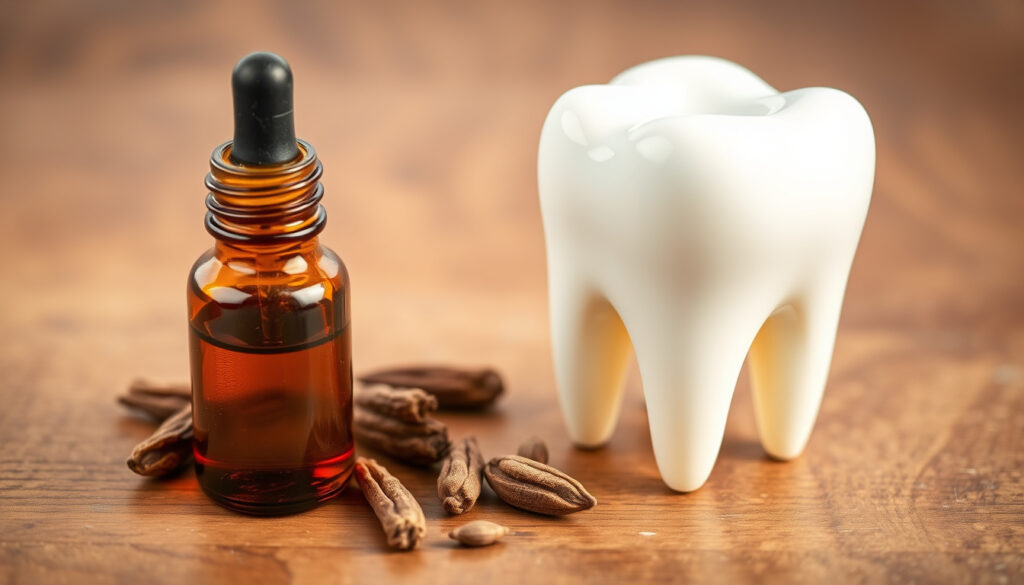
Clove Oil for Toothache – Guide to Safe and Effective Use
Toothache pain can be debilitating, driving people to seek quick relief wherever they can find it. Clove oil has emerged as one of the most popular natural remedies for dental discomfort, prized for its numbing properties and long history of use in traditional medicine. This guide examines how clove oil works for toothache, how to apply it safely, and what the evidence says about its effectiveness.
Derived from the dried flower buds of the Syzygium aromaticum tree, clove oil has been used in dental care for centuries. Its primary active compound, eugenol, makes up 70-90% of the oil’s composition and is responsible for its characteristic aroma and therapeutic effects. Today, eugenol remains an ingredient in professional dental materials, though its use as a home remedy requires careful handling.
How Do You Use Clove Oil for a Toothache?
Proper application of clove oil is essential for achieving relief while avoiding potential harm. The oil must be diluted before use, as direct application to gums or tooth enamel can cause burning, irritation, or tissue damage. Understanding the correct ratios and methods ensures the best possible outcome when using this natural remedy.
- Active compound: Eugenol (natural anesthetic)
- Onset: 5-15 minutes
- Duration: 1-3 hours
- Best for: Temporary numbing
Dilution Ratios and Methods
The standard approach involves mixing 2-3 drops of clove oil with 1 teaspoon (approximately 5 mL) of a carrier oil such as coconut, olive, or almond oil. This dilution significantly reduces the risk of irritation while still allowing the eugenol to penetrate and numb the affected area effectively.
For oil pulling or mouth rinses, combine a few drops with warm water or additional carrier oil. Whole cloves and ground cloves offer less potent alternatives—chewing whole cloves or applying a paste made from ground cloves, clove oil, and water can release eugenol gradually for sustained relief.
Step-by-Step Application
Begin by dipping a cotton swab, cotton ball, or clean tissue into the diluted mixture. Apply the oil directly to the painful tooth enamel, avoiding contact with gums whenever possible. Leave the application in place for 5-20 minutes, then rinse thoroughly or spit out the excess. Reapplication can occur every 2-3 hours as needed, though a patch test for allergies should be performed beforehand.
- Dilute 2-3 drops in 1 teaspoon carrier oil
- Apply with cotton swab to affected tooth
- Leave for 5-20 minutes before rinsing
- Reapply every 2-3 hours as needed
- Always perform a patch test first
| Factor | Details |
|---|---|
| Dilution | 1-2 drops per teaspoon carrier oil |
| Application time | 5-20 minutes per session |
| Frequency | Every 2-3 hours |
| Patch test | Required before first use |
Does Clove Oil Work for Toothache Relief?
The evidence supporting clove oil’s effectiveness for toothache pain relief comes from both historical use and modern scientific research. Eugenol acts as a natural anesthetic by desensitizing the nerve endings in the affected tooth, providing temporary pain relief that many users describe as noticeable within minutes of application.
How Eugenol Provides Relief
Eugenol works through multiple mechanisms to address toothache discomfort. Its anesthetic properties numb the sensory nerves in the painful area, while its anti-inflammatory effects help reduce swelling and pressure around the affected tooth. Additionally, eugenol exhibits antibacterial and antifungal properties that may help prevent worsening infections in the oral cavity.
The numbing sensation typically begins within 5-15 minutes of application and can last anywhere from 1 to 3 hours depending on the severity of the pain and individual response. This temporary relief makes clove oil particularly useful for managing toothache pain while waiting for a dental appointment.
Clove oil masks symptoms rather than treating underlying causes. It does not address infection, decay, or structural damage that requires professional dental intervention. Persistent toothache should always be evaluated by a dentist.
Comparison with Other Remedies
When compared to over-the-counter painkillers like ibuprofen or acetaminophen, clove oil offers a natural alternative that provides localized numbing rather than systemic relief. The duration of clove oil’s effects tends to be shorter than pharmaceutical options, but some users prefer its natural composition and warming sensation.
Benzocaine gels provide similar topical numbing effects and are commonly found in dental care products. Whole cloves and ground clove pastes offer less concentrated alternatives that release eugenol more gradually, making them suitable for those seeking milder relief or longer-lasting application.
Is Clove Oil Safe for Toothache Treatment?
While clove oil is generally considered safe when used properly, certain precautions must be observed to prevent adverse effects. Understanding the potential risks and appropriate usage guidelines helps ensure that the remedy provides benefit without causing additional harm.
Gum and Tissue Safety
Diluted clove oil is considered safe for use on gums, though some dental professionals recommend applying it only to tooth enamel to minimize the risk of irritation. Undiluted application can cause significant burning, irritation, and even tissue damage to the delicate gum tissue. The oil should never be swallowed, as ingestion can cause stomach upset and digestive discomfort.
Allergic reactions are possible, making a preliminary patch test essential before applying clove oil to the mouth. Apply a small amount of diluted oil to the inner arm and wait 24 hours to check for any adverse skin reactions before proceeding with oral application.
Special Population Considerations
Pregnant individuals should avoid using clove oil for toothache due to insufficient safety data for this population. The remedy is not recommended for children under 2 years of age, though older children may use it with adult supervision and appropriate dilution. Lower amounts and greater dilution should be used when treating younger patients.
- Avoid during pregnancy
- Not for children under 2 years
- Do not swallow the oil
- Never use undiluted on gums or teeth
- Patch test required before first use
Long-Term Effects on Tooth Enamel
Current research shows no direct evidence of enamel damage from short-term clove oil use. However, the effects of repeated or prolonged exposure have not been thoroughly studied. Dental professionals recommend seeking professional care rather than relying on extended home treatment to avoid potential complications from underlying conditions.
When to Use Clove Oil for Toothache vs See a Dentist?
Clove oil serves as a temporary measure for managing toothache pain, but it cannot replace professional dental care. Understanding when home remedies are appropriate and when dental intervention is necessary helps prevent serious oral health complications from developing or worsening.
Appropriate Use Cases
Clove oil works well for temporary relief while awaiting a dental appointment, managing minor tooth sensitivity, or addressing discomfort from a newly emerging tooth. It can also provide relief when over-the-counter options are unavailable or contraindicated for a particular individual.
The remedy is included in over-the-counter dental products such as dry socket pastes, which dentists sometimes recommend for post-procedural care. This professional incorporation validates the compound’s legitimate use in dental contexts while reinforcing that it complements rather than replaces proper treatment.
Situations Requiring Immediate Dental Care
Certain symptoms indicate the need for prompt professional evaluation regardless of clove oil use. Severe, persistent pain that does not respond to any treatment, swelling of the face or jaw, fever accompanying dental pain, and difficulty breathing or swallowing all require emergency dental care. These symptoms may indicate serious infections or conditions that home remedies cannot address.
Tooth decay, abscesses, and structural damage require professional intervention to prevent tooth loss and the spread of infection. Clove oil should be viewed as a stopgap measure rather than a cure, with the goal of reaching a dentist as soon as possible after initiating home treatment.
How Long Does Clove Oil Take to Work on Toothache?
The onset and duration of clove oil’s effects follow a predictable timeline that users can plan around when managing toothache discomfort. Understanding this timeline helps set realistic expectations and determine when reapplication or alternative treatment may be necessary. If you’re looking for alternative ways to manage discomfort, you might be interested in learning about ${natural remedies for canker sores}. natural remedies for canker sores
- Application: Dilute and apply clove oil to the affected area using a cotton swab or similar applicator.
- Wait 5-15 minutes: Allow the eugenol to penetrate and begin numbing the nerve endings.
- Experience relief: Numbing typically peaks within the first 20 minutes of application.
- Duration: Effects generally last 1-3 hours depending on severity and individual response.
- Reassessment: If pain returns after 2-3 hours, reapply using the same dilution ratio.
- Seek care: If pain persists or worsens, schedule a dental appointment promptly.
The relief provided is temporary and symptomatic rather than curative. Users should plan for ongoing management until professional dental treatment addresses the underlying cause of the toothache.
What We Know and Don’t Know About Clove Oil for Toothache
| Established Information | Information That Remains Unclear |
|---|---|
| Eugenol constitutes 70-90% of clove oil composition | Long-term effects of repeated use on oral tissues |
| Provides temporary numbing of dental pain | Optimal pediatric dilution ratios |
| Has anti-inflammatory and antibacterial properties | Specific mechanisms of eugenol on dental nerves |
| Must be diluted to prevent tissue damage | Interaction with certain medications |
| Included in professional dental materials since 19th century | Comparative effectiveness against newer OTC options |
| FDA regulates eugenol as GRAS for food use | Quality standards for commercial clove oil products |
Limited clinical trials specifically examining clove oil for toothache mean that much of the evidence relies on eugenol’s established properties and historical use rather than large-scale randomized controlled trials. While the compound has demonstrated effectiveness in laboratory studies and practical applications, more targeted clinical research would strengthen the evidence base.
The Science Behind Clove Oil and Dental Care
The dental profession’s relationship with clove oil dates back to the 19th century, when practitioners began incorporating eugenol into professional dental materials. Zinc oxide-eugenol (ZOE) fillings and root canal sealants continue to rely on this compound’s unique properties, demonstrating that its utility extends well beyond folk medicine into evidence-based practice.
Eugenol’s multifaceted action makes it particularly valuable in dental applications. As an anesthetic, it numbs pain; as an anti-inflammatory agent, it reduces swelling; and as an antibacterial compound, it helps control oral bacteria that contribute to infection and decay.
Modern research continues to explore eugenol’s potential in dental care. Studies have examined its effectiveness against various oral pathogens and its safety profile when used in professional formulations. While comprehensive clinical trials on home-use clove oil remain limited, the compound’s established properties and historical track record support its continued use as a natural remedy option.
What Dental Professionals Say About Clove Oil
Dental organizations acknowledge clove oil’s legitimate use in dentistry while emphasizing its limitations as a home treatment. The American Dental Association has published guidance on essential oils in oral health, noting that while certain formulations may offer benefits, they do not replace professional care.
“Clove oil has been used in dentistry for decades, particularly in materials like zinc oxide-eugenol cements. While it does have anesthetic properties, patients should understand that temporary relief does not equal treatment of the underlying problem.”
The FDA regulates eugenol as generally recognized as safe (GRAS) for use in food and flavoring applications. However, this designation applies to dietary uses and does not constitute endorsement of clove oil as a treatment for medical conditions.
Researchers have noted in published studies that while eugenol shows promising properties in laboratory settings, more clinical research is needed to establish optimal usage protocols for home applications.
Final Thoughts on Using Clove Oil for Toothache
Clove oil represents a time-tested natural remedy that can provide meaningful temporary relief from toothache pain when used correctly. Its high eugenol content delivers fast-acting numbing effects that many users find valuable while waiting for dental appointments or when other options are unavailable. However, it is essential to approach this remedy with realistic expectations and appropriate caution.
Proper dilution, careful application, and awareness of potential risks help ensure safe use. The remedy should never replace professional dental evaluation, as persistent tooth pain often signals underlying conditions that require treatment beyond symptom management. For those seeking natural alternatives to conventional pain relievers, clove oil offers a documented option that bridges traditional wisdom with modern understanding.
As with any health-related decision, consulting with dental professionals provides the best guidance for your specific situation. They can help determine whether clove oil is appropriate for your circumstances and address any concerns about interactions or underlying conditions.
Frequently Asked Questions
Where does clove oil come from for dental use?
Clove oil is extracted from the dried flower buds of the Syzygium aromaticum tree, native to Indonesia. The buds are harvested, dried, and processed through steam distillation to produce the concentrated essential oil used in dental applications.
Can you put clove oil directly on a toothache?
Never apply undiluted clove oil directly to teeth or gums. Always dilute 2-3 drops in at least one teaspoon of carrier oil such as coconut, olive, or almond oil before application to prevent burning and tissue damage.
How much clove oil should I use for toothache?
The standard dilution is 2-3 drops of clove oil per teaspoon of carrier oil. For oil pulling, use a few drops in warm water or additional carrier oil. More concentrated applications increase the risk of irritation.
Does clove oil cure toothache permanently?
No. Clove oil provides temporary symptomatic relief only. It does not treat underlying causes such as infection, decay, or structural damage. Professional dental treatment is required to address the root cause of toothache.
Is clove oil safe for gums?
Diluted clove oil is generally safe for gums, though some sources recommend applying only to tooth enamel. Undiluted oil causes burning, irritation, and tissue damage. Always perform a patch test before oral use.
How often can I reapply clove oil for toothache?
Reapplication every 2-3 hours is generally considered safe for adults. Each application should use the same dilution ratio. If pain persists beyond 1-2 days, seek professional dental care.
Can children use clove oil for toothache?
Clove oil is not recommended for children under 2 years. Older children may use it with adult supervision and greater dilution, but consulting a pediatric dentist first is advisable.
What are the side effects of clove oil on teeth?
When diluted properly, side effects are minimal. Risks include gum irritation, tissue damage from undiluted use, allergic reactions, and stomach upset if swallowed. Long-term effects on enamel remain unstudied.
More related posts
 Last Night’s Football Results – Scores, Table & Highlights
 Mental Health Awareness Week – Dates, Themes and Ways to Get Involved
 A1 Tech Deals Reviews – Is It Legit or a Risk for UK Buyers
 Back to the Future London – Closing Date and Ticket Guide
 Good Luck Babe Lyrics – Full Text, Meaning and Chords Guide
 Sally Phillips – Biography, Career and Personal Life
 King Von – Biography, Death, Songs and Legacy
 5 Nights at Freddy’s – Complete Guide to Games, Movie and Lore