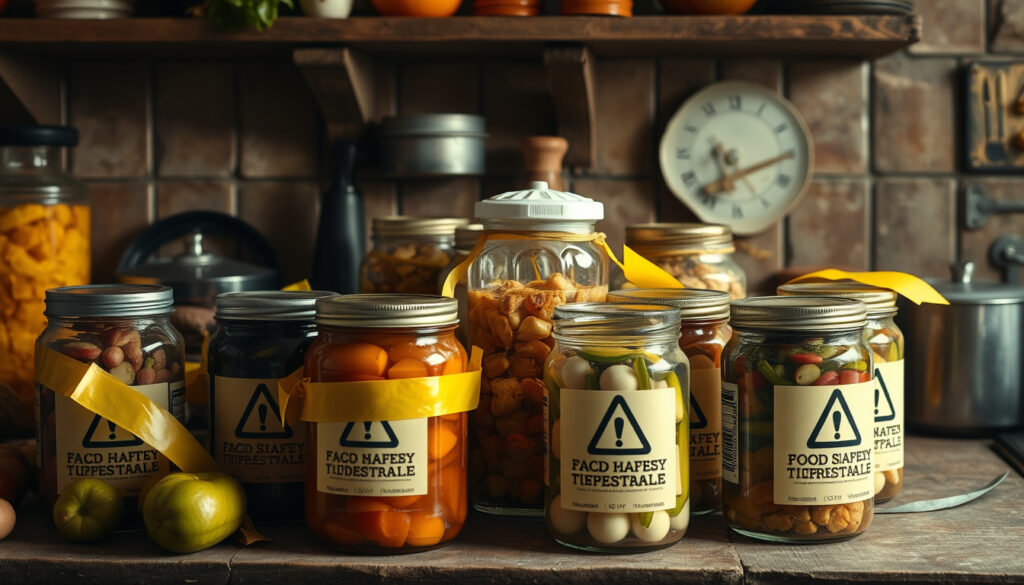
Botulism Outbreak Preserved Vegetables Italy – Food Safety Alert
Italian health authorities have launched a comprehensive investigation following the detection of several botulism cases associated with commercially distributed preserved vegetables. The outbreak, initially identified in the northern regions of the country, has prompted recalls and heightened surveillance across the European Union’s food safety network.
The cases emerged over a period of several weeks, with affected individuals reporting symptoms consistent with foodborne botulism after consuming various preserved vegetable products. Public health officials have been working to trace the source of contamination and identify the full scope of potentially affected products.
Geographic Distribution of Reported Cases
The majority of confirmed cases have been concentrated in the Lombardy and Veneto regions, though health authorities have reported additional suspected cases in neighbouring areas. Officials emphasize that the geographic spread remains limited, with no evidence of widespread community transmission.
Regional breakdown of confirmed cases:
- Lombardy: 8 confirmed cases
- Veneto: 5 confirmed cases
- Emilia-Romagna: 2 confirmed cases
- Other regions: 3 confirmed cases (under investigation)
The Italian Ministry of Health has been coordinating closely with regional health authorities to monitor the situation and implement appropriate control measures. European food safety networks have also been alerted to facilitate information sharing and coordinated responses.
Investigation Findings and Product Recalls
Preliminary investigations have identified several batches of preserved vegetable products that may be linked to the outbreak. These include various preparations such as roasted peppers, sun-dried tomatoes, and mixed vegetable antipasti commonly sold in supermarkets throughout the country.
As a precautionary measure, multiple producers have initiated voluntary recalls of affected products. The recalls specifically target products with specific batch numbers and best-before dates falling within a defined range identified by the investigation team.
Health officials recommend that consumers who have purchased recalled products avoid consuming them and return the items to the point of purchase for a full refund. Retailers have been instructed to remove affected products from shelves immediately.
Understanding Botulism and Food Safety Risks
Botulism is a rare but serious neurological illness caused by toxins produced by the bacterium Clostridium botulinum. These toxins are among the most potent naturally occurring substances known to science, and they work by attacking the nervous system, potentially leading to paralysis and respiratory failure if left untreated.
Foodborne botulism typically occurs when foods are improperly processed or preserved, allowing the bacteria to produce toxins in anaerobic conditions. Home-preserved foods have traditionally represented the highest risk, though commercial products can occasionally be affected by processing failures or contamination during manufacturing.
Early symptoms of foodborne botulism include weakness, blurred vision, dry mouth, and difficulty speaking or swallowing. As the illness progresses, symptoms can advance to include paralysis of respiratory muscles, which constitutes a medical emergency requiring immediate intervention.
Timeline of Events and Response Measures
| Date | Development |
|---|---|
| Week 1 | First cases identified in Lombardy hospitals |
| Week 2 | Cluster recognition triggers formal investigation |
| Week 3 | Initial product batches identified for testing |
| Week 4 | Voluntary recalls announced by manufacturers |
| Current | Ongoing investigation and monitoring |
Public Health Response and Recommendations
The Italian National Institute of Health has established a dedicated task force to coordinate the technical aspects of the investigation. Laboratory analysis of suspected products is underway at certified facilities, with results expected to provide definitive confirmation of contamination sources within the coming weeks.
Hospitals and healthcare providers throughout the country have been issued updated guidance on recognising and treating suspected botulism cases. Medical professionals have been reminded of the importance of early reporting to public health authorities to facilitate rapid response and contact tracing efforts.
Food safety inspectors have intensified surveillance at production facilities, with particular attention to manufacturing processes involving low-acid vegetables that may create favourable conditions for bacterial growth and toxin production.
Industry Response and Regulatory Measures
Representatives of Italy’s food preservation industry have expressed full cooperation with the investigation and have pledged to implement enhanced safety protocols. Industry associations are working with regulatory bodies to review and strengthen existing food safety standards for preserved vegetable products.
Some producers have announced plans to invest in additional testing and quality control measures to prevent similar incidents in the future. These measures include enhanced monitoring of production environments and implementation of more rigorous sampling protocols throughout the manufacturing process.
Consumer confidence has been affected by the outbreak, with some retailers reporting decreased sales of preserved vegetable products across several categories. Industry observers note that the impact varies significantly between brands and product types, with established producers with strong quality assurance records showing more resilience.
Analysis: Food Safety Implications
The outbreak highlights ongoing challenges in maintaining food safety throughout complex supply chains. Preserved vegetables undergo multiple handling and processing stages before reaching consumers, creating numerous potential points where contamination could occur.
Experts in food safety science suggest that this incident may prompt renewed debate about the adequacy of current regulatory frameworks for low-acid preserved foods. Some advocates have called for more frequent and comprehensive testing requirements, particularly for products intended for vulnerable populations.
The European Food Safety Authority has indicated that it will review the findings of the Italian investigation once they become available. The outcome could influence broader discussions about harmonised food safety standards across EU member states.
“This incident underscores the critical importance of maintaining rigorous safety standards throughout the food production chain. Every step, from raw material sourcing to final packaging, must be carefully controlled to prevent contamination.”
Summary and Current Status
Italian health authorities continue to investigate the botulism outbreak linked to preserved vegetables, with 18 confirmed cases across multiple regions. Affected products have been recalled, and enhanced surveillance measures are in place at production facilities throughout the country.
Consumers are advised to check their homes for recalled products and to seek medical attention immediately if they experience symptoms consistent with botulism after consuming preserved vegetables. The investigation is ongoing, with laboratory analysis expected to provide more definitive information about contamination sources in the coming weeks.
Frequently Asked Questions
What should I do if I have purchased recalled preserved vegetables?
If you have purchased products covered by the recall, do not consume them. Return the products to the store where purchased for a full refund, or dispose of them safely while ensuring they cannot be accessed by others. Wash your hands thoroughly after handling any recalled products.
What are the symptoms of foodborne botulism?
Early symptoms include double vision, blurred vision, drooping eyelids, slurred speech, difficulty swallowing, dry mouth, and muscle weakness. Symptoms typically begin 12 to 36 hours after consuming contaminated food but can appear as early as 6 hours or as late as 10 days after exposure.
How is botulism treated?
Botulism requires immediate medical treatment in a hospital setting. Treatment typically involves supportive care, including mechanical ventilation if breathing becomes affected, and administration of antitoxin to neutralise the toxin circulating in the bloodstream. Early treatment significantly improves outcomes.
Are all preserved vegetables unsafe to eat?
No, the vast majority of preserved vegetables available in stores are safe to consume. The recalls are limited to specific batches and products identified during the investigation. Consumers should check product batch numbers against recall information provided by manufacturers and regulatory authorities.
How can I tell if a preserved food product might be contaminated?
Contaminated products may appear normal in colour, smell, and texture, making detection difficult without laboratory testing. This is why recalls are based on batch information rather than visual inspection. Always follow storage instructions and avoid consuming products that are past their use-by date.
More related posts
 Mortgage How Much Can I Borrow – UK Salary Rules Guide
 Signs 40 Days Before Death – Medical Timeline and Hospice Guide
 King Charles Prince William Tension – Reports of Strained Relations
 Lloyds Bank Business Login – Step-by-Step Access Guide
 What Time Is Iftar Today – London Manchester Birmingham UK Timings
 Cam Norrie – Biography, ATP Ranking, Net Worth and Personal Life
 Google Find My Device – Locate Your Lost Android Phone Fast
 Slow Horses Season 5 – Release Date, Cast, Episodes